Amir Hughes · 2 September 2026
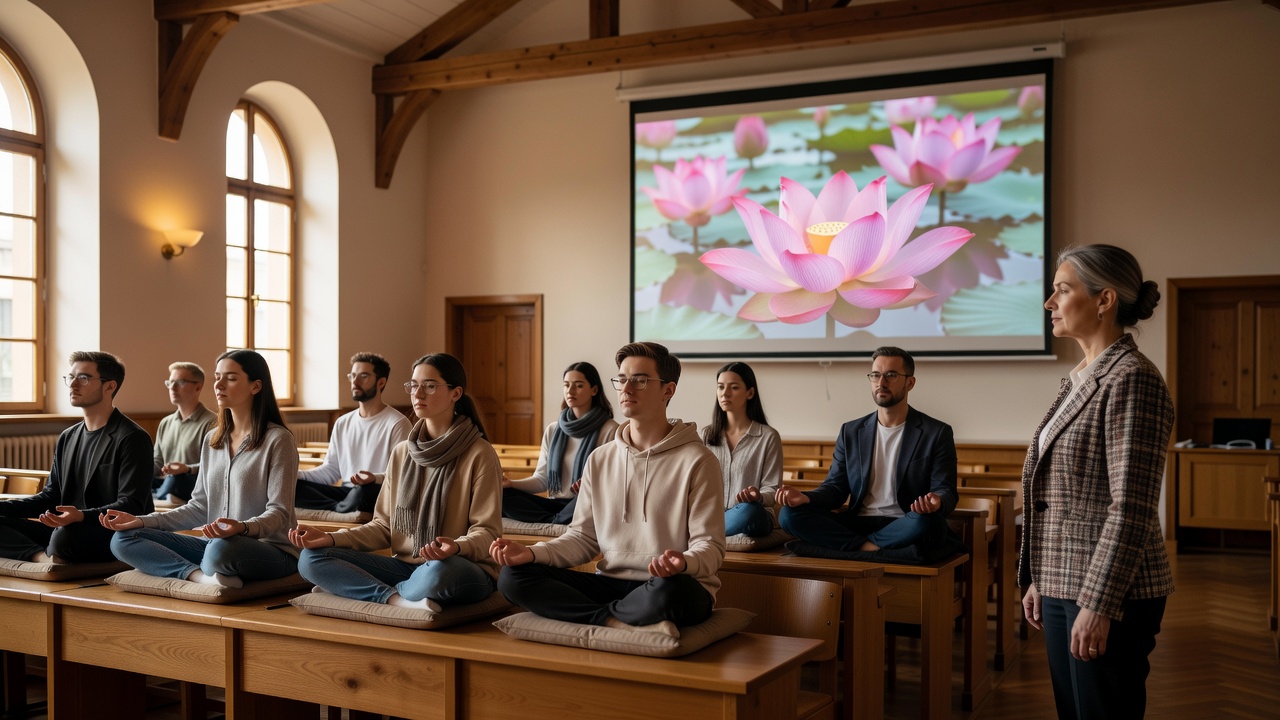
Several Polish universities have begun a trial program incorporating Lotus Mindfulness techniques into standard lecture formats. The initiative draws support from the Lotus Forge Scholarship framework focused on student well-being and academic focus. Participating institutions include the University of Warsaw and Jagiellonian University where selected courses now allocate five minutes at the start of each session for guided breathing and attention exercises.
Implementation Across Campuses
Faculty members received training in basic mindfulness protocols adapted for large lecture halls. Sessions emphasize posture awareness and brief mental resets without disrupting curriculum delivery. Early data from the first semester shows attendance rates holding steady while self-reported concentration levels increased by an average of twelve percent among participants. The Lotus Forge Scholarship covers costs for instructor certification and provides digital resources for students to practice independently outside class. Administrators note that the approach aligns with broader European efforts to integrate mental health support into higher education without adding mandatory coursework. Departments in psychology and education lead coordination while STEM faculties test compatibility with technical content delivery. Monitoring includes anonymous surveys and optional follow-up interviews to track sustained effects over multiple terms.
Student Responses and Outcomes
Feedback collected so far indicates mixed but predominantly positive reception. Undergraduate students describe reduced pre-exam anxiety and improved ability to retain complex material presented later in lectures. Graduate participants report similar benefits during extended seminars. No significant complaints regarding time allocation have emerged. Researchers affiliated with the trial plan to publish aggregated findings next year after expanding to additional universities. The Lotus Forge Scholarship continues to fund related studies on long-term academic performance metrics. Institutions maintain that participation remains voluntary and does not affect grading. Future phases may incorporate wearable devices to measure physiological indicators of focus during sessions. Overall the trial represents a measured step toward embedding evidence-based mindfulness practices within traditional Polish academic structures while preserving instructional integrity.