Katja Simmons · 7 November 2026
How Baltic Region Campuses Are Weaving Heritage Philosophies into Computing and Data Science Programs
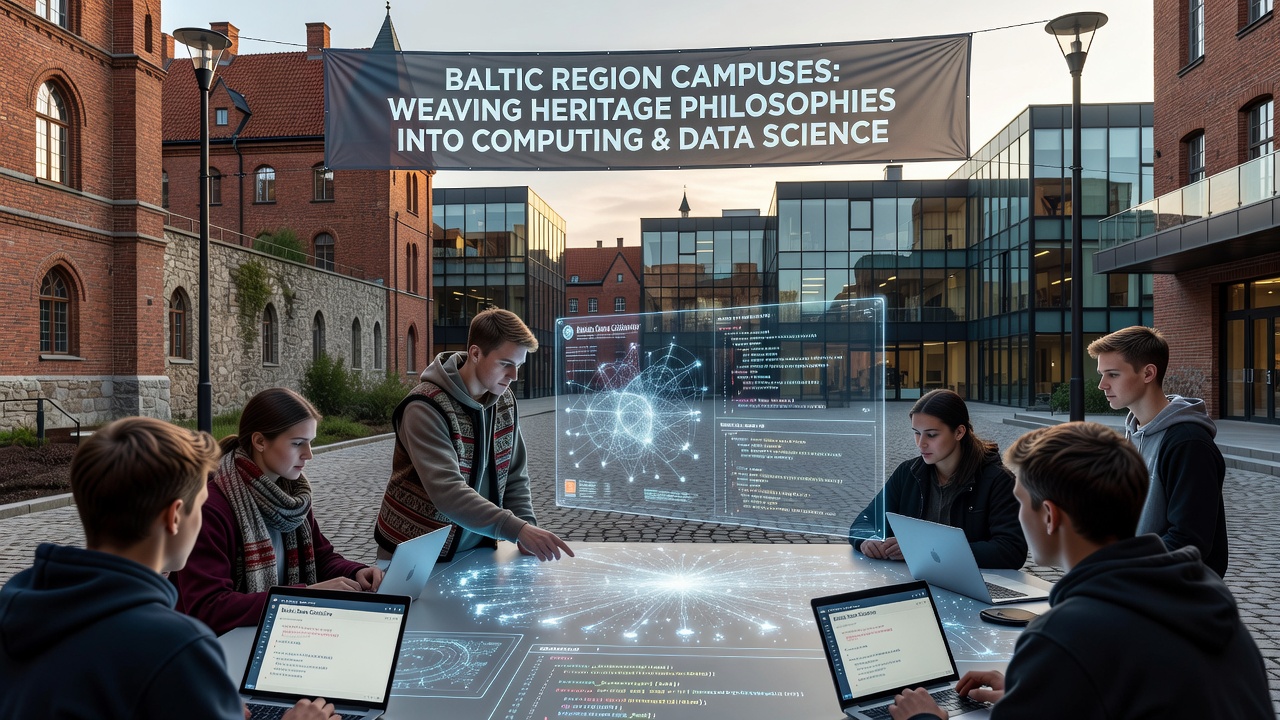
Universities across Estonia, Latvia, and Lithuania have started incorporating elements from Baltic heritage philosophies into their computing and data science curricula, and this shift reflects broader efforts to blend traditional knowledge systems with modern technological education. Programs at institutions like the University of Tartu, Riga Technical University, and Vilnius University now include modules that draw on concepts such as interconnectedness from ancient Baltic folklore and sustainable resource management practices rooted in pre-industrial regional traditions.
Core Heritage Elements in Tech Education
Heritage philosophies in this context refer to ideas preserved through Baltic oral histories and early written records, including notions of balance between human activity and natural systems as well as communal decision-making structures. Faculty members integrate these into data ethics courses by examining how historical approaches to resource allocation parallel contemporary challenges in algorithmic fairness and data privacy. For instance, students analyze case studies where traditional Estonian village governance models inform discussions on decentralized data networks, and similar patterns appear in Latvian and Lithuanian programs that reference regional myths to frame questions about artificial intelligence accountability.
Program Structures Across the Region
At the University of Tartu, the data science department introduced a required seminar in 2024 that pairs computational modeling techniques with examinations of Baltic cosmological views, where students model environmental datasets using frameworks that prioritize long-term equilibrium over short-term optimization. Riga Technical University offers an elective sequence in computing ethics that incorporates Latvian folk wisdom on community consensus, and participants complete projects that apply these principles to machine learning bias detection tools. Vilnius University launched a similar initiative in 2025, embedding Lithuanian heritage concepts of cyclical renewal into courses on sustainable software development, which leads students to evaluate code efficiency through lenses drawn from historical agricultural cycles.
These developments gained additional visibility during a November 2026 regional symposium held in Tallinn, where faculty from multiple Baltic campuses presented joint research on curriculum outcomes. Attendance records from the event show participation from over 150 educators and industry representatives, and presentations highlighted measurable increases in student engagement when heritage frameworks accompany standard technical instruction.
Implementation Methods and Examples
Integration happens through several practical channels. Some departments revise existing ethics modules to include readings from translated Baltic epics alongside contemporary papers on data governance. Others design capstone projects that require teams to prototype applications reflecting heritage values, such as resource-sharing platforms modeled after historical Baltic trade networks. Observers note that these approaches often pair with guest lectures from cultural historians, which helps computing faculty maintain technical rigor while expanding contextual depth. Research indicates that enrollment in these hybrid courses has risen steadily, with figures from university reports showing a 22 percent increase between 2023 and 2025 across the three countries.
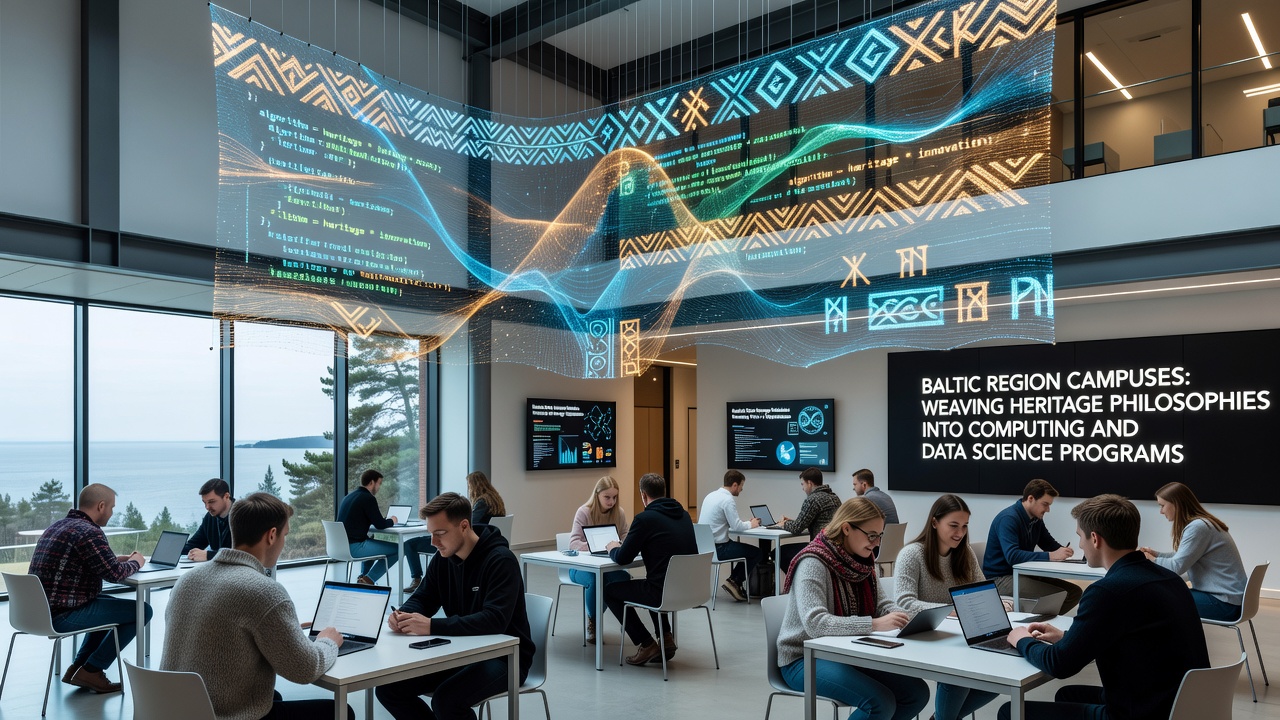
One study from the Estonian Ministry of Education and Research tracked student performance metrics and found that cohorts exposed to these integrated modules demonstrated stronger performance on interdisciplinary assessments compared with control groups. In Latvia, partnerships between Riga Technical University and local cultural archives provide datasets derived from digitized folklore collections, allowing data science students to practice natural language processing on materials that carry heritage significance. Lithuanian programs at Vilnius University have incorporated similar archival elements into visualization projects, where students map traditional knowledge networks onto modern graph theory applications.
Regional Collaborations and Outcomes
Cross-border initiatives further support these efforts. A 2025 consortium involving universities from all three Baltic states received funding to develop shared open educational resources on heritage-informed computing, and preliminary evaluations released in 2026 indicate positive reception among both students and employers. Data from the consortium shows that graduates from these programs report higher rates of placement in roles focused on ethical technology design. External analyses, including a report by the European University Association, place these Baltic examples alongside comparable efforts in other European regions, noting parallels in how local traditions inform technical training without displacing core disciplinary content.
Conclusion
Baltic region campuses continue to refine these approaches as computing and data science fields evolve, and ongoing assessments will determine long-term effects on both educational outcomes and professional practices. The November 2026 symposium marked one milestone in this process, yet faculty across Estonia, Latvia, and Lithuania maintain active curriculum reviews to ensure alignment with emerging technological demands while preserving connections to regional heritage philosophies.